
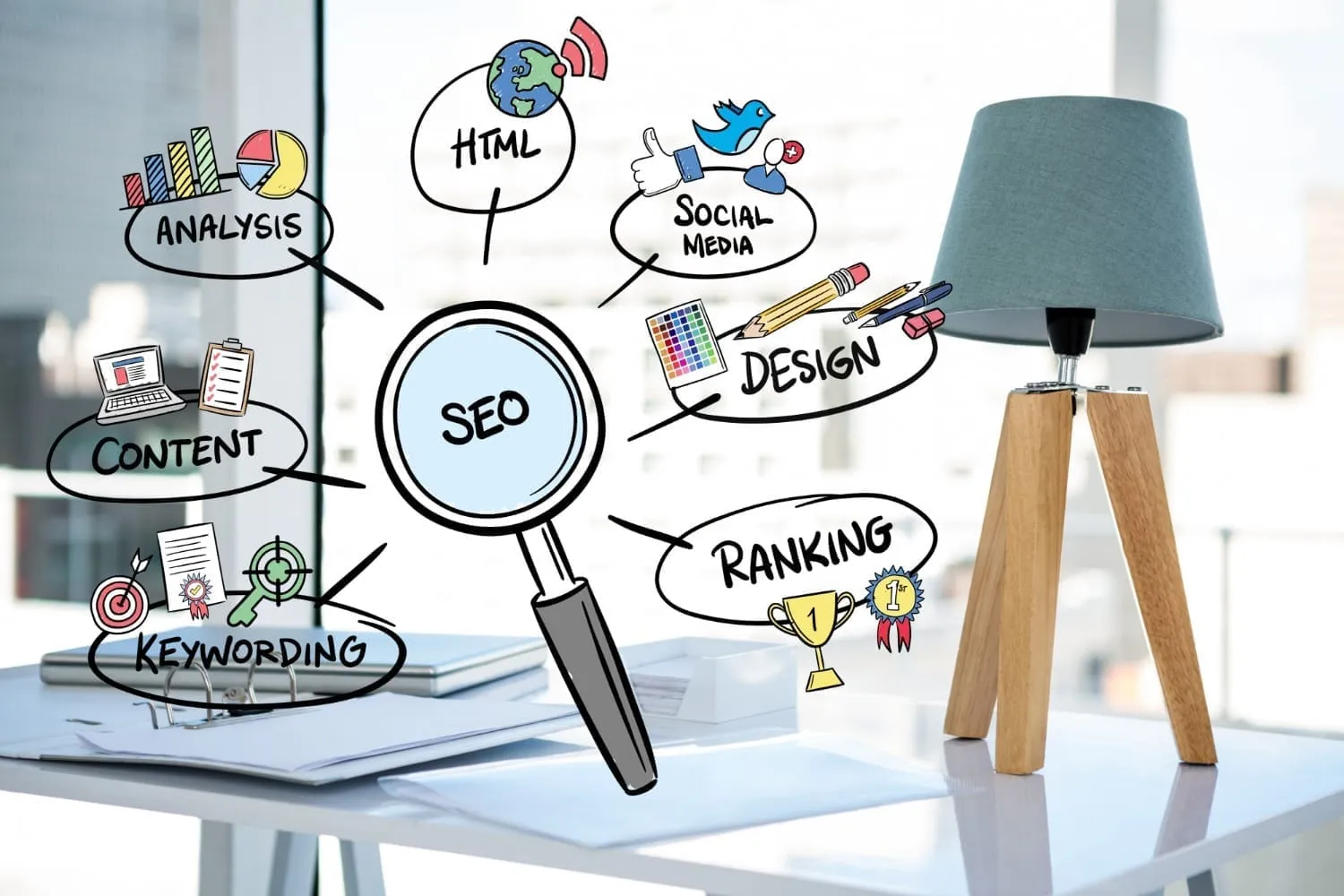
SEO Content Creation Guide: 16 Practical Tips to Boost Search Visibility
In today’s digital age, whether your content can be effectively recognized by search engines and AI systems directly impacts your brand’s online exposure and business conversions. High-quality SEO content creation not only attracts traditional search traffic, but also helps you secure a spot in AI-generated summaries, making you a trusted information source for potential customers.
What is SEO Content Creation?
SEO content creation refers to the strategy of writing content that satisfies both search engine algorithms and the needs of readers. This professional skill comprises three core aspects:
- Keyword and Prompt Optimization: Accurately matching the search intent of your target audience.
- Maximizing Content Value: Providing truly practical information that solves readers’ problems.
- Clear Structuring: Helping search systems quickly understand the content’s topic and architecture.
Why is SEO Content So Important?
When users actively query questions related to your business, optimized content dramatically increases your brand’s chances of being discovered. Research shows that visitors originating from AI searches have a 4.4x higher conversion rate than traditional searches. This means that even if click-through rates decline, precise exposure still drives substantial business value.
Successful SEO content allows your brand to:
- Become a cited source in AI answers
- Appear in featured snippets or related lists
- Be viewed as an authoritative brand in the field
- Have content fragments directly incorporated into AI responses
16 Practical SEO Content Optimization Tips
1. Target Core Keywords
Every piece of content should revolve around a primary keyword or prompt. When using professional tools (like Semrush’s Keyword Magic Tool), evaluate these three key metrics:
- Relevance: Does the keyword accurately reflect the page’s topic?
- Search Volume: Is there a large enough potential audience?
- Keyword Difficulty: Assessed via Personal Keyword Difficulty (PKD%); a lower percentage means it’s easier to rank.
2. Discover Content Gaps
Analyzing topics covered by competitors that you haven’t touched is an effective strategy to expand search visibility. By using topic research tools, you can:
- Identify potential high-volume topics
- Reference writing directions from popular titles
- Collect frequently asked questions from readers
- In the realm of AI search, specifically focus on topics where competitors are mentioned but you are absent
3. Choose Secondary Keywords
Besides the main keyword, appropriately integrating related secondary keywords can:
- Increase the chances of appearing in more search results
- Target more niche, long-tail search demands
- Lower the content competition difficulty
Ways to find secondary keywords include:
- Related phrases in keyword tools
- The actual question formats used by searchers
- Synonyms or subtopic extensions
4. Satisfy Search Intent
Search intent can be divided into four main categories:
- Informational: Seeking knowledge and answers (best suited for blog posts)
- Navigational: Looking for a specific website or page
- Commercial: Comparing options and evaluating decisions
- Transactional: Ready to take immediate action or make a purchase
For informational intent, common content formats include tutorials, listicles, and step-by-step guides, which effectively satisfy the user’s core need to “learn.”
5. Write Click-Worthy Titles
The title is the first hurdle determining your content’s success. A good title should:
- Clearly convey the content’s value
- Include the core keyword
- Spark the reader’s curiosity
- Maintain an appropriate length (usually 50-60 characters is ideal)
6. Optimize Your Introduction
The first 100-150 words of your article should immediately answer the reader’s core question to build trust and encourage further reading. Avoid lengthy introductions and cut straight to the point.
7. Adopt a Clear Structure
A well-organized structure not only improves the reading experience but also helps search systems understand the content. Recommendations:
- Use heading hierarchies like H2, H3
- Focus each paragraph on a single subtopic
- Incorporate bulleted lists to emphasize key points
- Keep paragraphs concise (3-4 sentences is ideal)
8. Naturally Integrate Keywords
Keywords should naturally appear in:
- The title and various subheadings
- The introduction and conclusion
- Image alt texts
- The URL structure Avoid keyword stuffing and maintain the fluency of the content.
9. Provide In-Depth Information
Rather than chasing word count, focus on the completeness and uniqueness of your information. Cover related subtopics, answer common questions, and provide actionable advice.
10. Optimize the Reading Experience
- Use plain, easy-to-understand language
- Add visual elements (images, charts, videos)
- Ensure mobile-friendliness
- Make the content highly skimmable
11. Build Internal Links
Linking related content to each other can:
- Guide readers to explore more information
- Increase the time spent on your website
- Strengthen topic authority
- Help search engines crawl the website’s structure
12. Earn External Backlinks
High-quality external links are critical signals for search rankings. By creating content worth citing, you naturally attract links from other websites.
13. Focus on AI Search Optimization
As AI search becomes more prevalent, content needs to adapt to new presentation formats:
- Provide clear, authoritative answers
- Use structured data for easy extraction
- Become an expert source in specific domains
14. Regularly Update Content
The search landscape constantly changes. Periodically reviewing and updating older content can:
- Maintain information timeliness
- Reassess keyword strategies
- Enhance the value of existing content
15. Analyze and Adjust
Use data analytics tools to track your content’s performance and adjust strategies based on results. Focus metrics include:
- Changes in search rankings
- Traffic sources and quality
- User engagement behaviors
- Impact on conversion rates
16. Maintain Content Authenticity
Ultimately, all SEO techniques should serve one core purpose: providing genuine, valuable content. Only content that truly helps readers will stand the test of time and algorithms.
Conclusion
SEO content creation is a balancing act—understanding the operational logic of search systems while adhering to a human-centric approach to creation. Once you master these practical tips, the most crucial step is continuous practice and optimization, allowing your content to stand out in the vast digital ocean and become a trusted beacon of information for your target audience.